• Fr
  • En
  • Click on one of the above to learn more about us.

    photo-ouies-instruments-quatuor-agate

    Biography

    quatuor-agate-biographie-passerelle-visages

    Our
    story

    Return

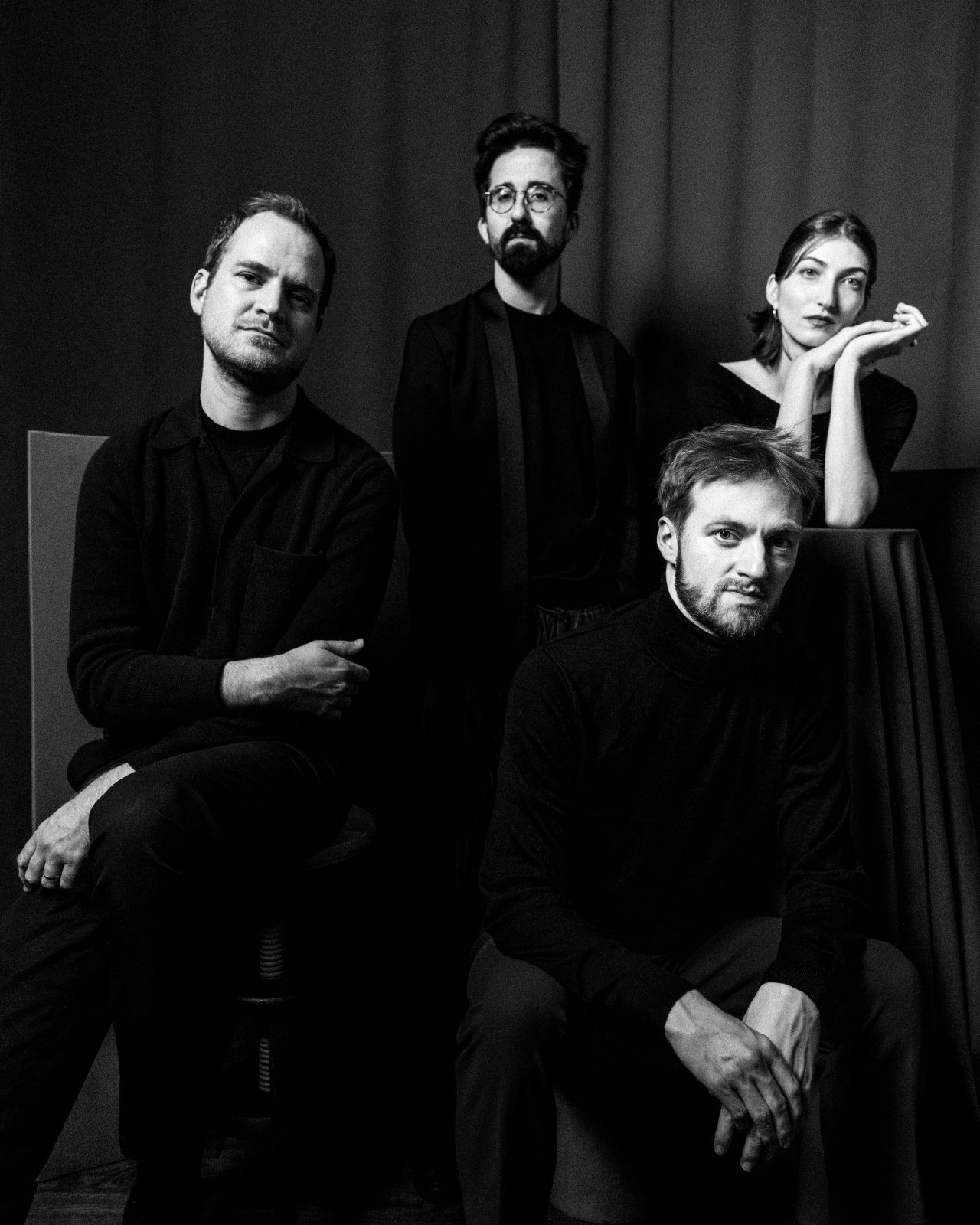
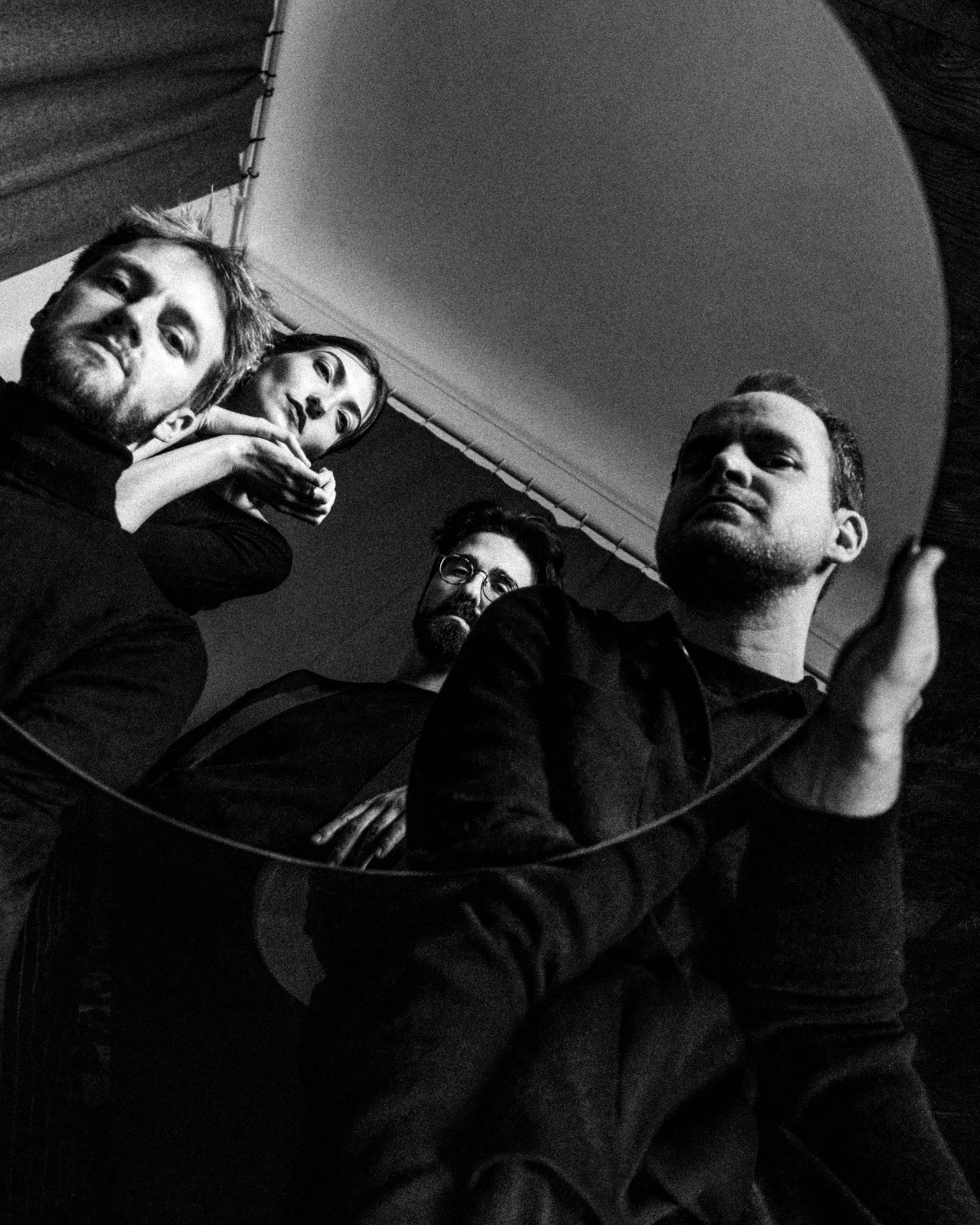
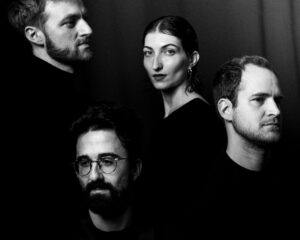
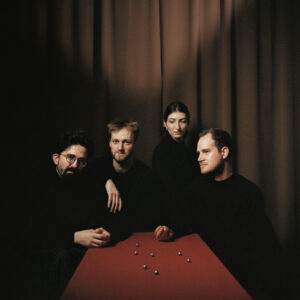
    Formed in 2016, the Quatuor Agate derives its name from one of the most beautiful chamber music pieces, Johannes Brahms’s Second Sextet, dedicated to his second love, Agathe von Siebold.

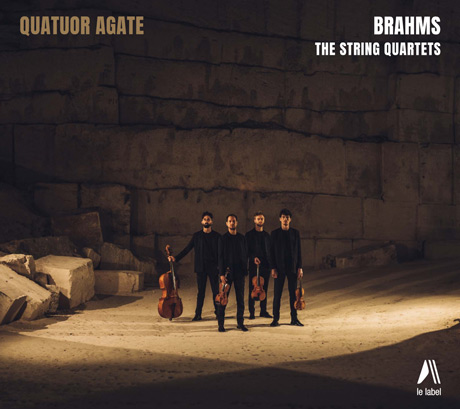
    Seven years later, this fascination with Brahms materialised with the release of their debut album in early 2024, featuring the complete String Quartets released on the Appassionato label.


    Distinguished in various international competitions and festivals for several years (including the Best Contemporary Interpretation Prize at the 2022 Banff International String Quartet Competition, Audience Prize at the Steels-Wilsing Competition 2020, and in the Verbier Festival 2019), the Quatuor Agate achieved a significant milestone in 2021 when they were a winner in the auditions of the prestigious Young Classical Artists Trust in London.


    In 2023 the Quatuor Agate were honoured to be named as ECHO Rising Stars 2024/25, performing at the majority of Europe’s major concert halls including the Philharmonie de Paris, the Barbican, Kölner Philharmonie and the Konzerthaus Dortmund.

    Recent highlights have included performances at renowned venues such as the Concertgebouw Amsterdam, Alte Oper Frankfurt, Prinzregententheater in Munich, Konzerthaus Berlin, TauberPhilharmonie in Weikersheim, Brucknerhaus Linz, as well as participating in festivals like Verbier Festival, Heidelberger Frühling, Festival de Salon- de-Provence, Festival de Radio France, Britten-Pears Arts in Aldeburgh, Mecklenburg- Vorpommern Festival and Lammermuir Festival in Scotland, among others.

    Further afield they had their debut tour of Colombia in early 2024, made their debut at Leif Ove Andsnes’ Rosendal Chamber Music Festival in Norway, and returned to the Wigmore Hall in London.


    The start of the 2025/26 season sees the quartet embark on a tour of the US and Canada, playing in Oregon, New York and Virginia before rounding it off at the Canadian Opera in Toronto.

    In Europe they return to the Philharmonie de Paris and Wigmore Hall. Looking further ahead, they will tour Mexico in March 2026 and take up residencies in Weikersheim in Germany and at UKARIA in Australia with soprano Siobhan Stagg.


    In addition to their recording of the complete Brahms’ quartets, other releases include a recording with Frank Braley and Gabriel Le Magadure featuring Concert de Chausson for Appassionato, and an album with American tenor Eric Ferring in Chicago for the Delos label.

    The group is passionate about bringing chamber music to diverse audiences, and just a few weeks after the quartet’s inception, they embarked on their first venture – the creation of the CorsiClassic festival, an annual event in Ajaccio, Corsica.

    Currently, the Quartet is a Resident of the Conservatoire Rachmaninoff in Paris, and Associate Artist at the La Brèche Festival. The Agates receivd support from ProQuartet the Günther Caspar-Stiftung, the Fondation Singer-Polignac and the Fondation Banque Populaire.

    They studied at the Hochschule für Musik Hanns Eisler in Berlin with Eberhard Feltz, in Paris under the direction of Mathieu Herzog, and with the Quatuor Ebène at the Hochschule für Musik in Munich.

    Adrien Jurkovic performs on a violin attributed to Giuseppe Giovanni Guarneri, generously loaned to him by Dr. Hauber.

    Scroll top

    Dear readers,


    The origins of the Quatuor Agate
    lie in a concert that never took place.

    In October 2015, its four members were living in Berlin. Adrien, Thomas, Raphaël and Simon – all more or less recently transplanted from France – were making the most of the ever-changing city’s vibrant cultural life, especially its eclectic musical scene.
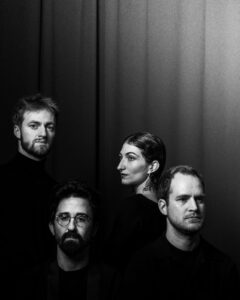
    Raphaël, a viola player, received an invitation to perform in Corsica that winter. He discussed it with the three other members of the future Quatuor Agate.
    They were already good friends, but the ensemble was yet to take formal shape, since each player was making his own way as a musician.

    They decided unanimously to accept the invitation, enthused as much by the idea of performing Schubert and Mozart in a church in the mountains of Corsica

    as by the prospect of escaping to the sunny Mediterranean from dark and chilly Berlin.

    They started rehearsing and the weeks went by. Meanwhile, in Corsica, the planned concert faded gently into oblivion.

    When Raphaël tried to get in touch with the organisers, either the phone just rang or he went onto voicemail.

    In the end, realising the situation was futile, he informed the other players that the concert was off.
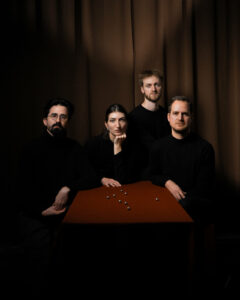
     

    But the phantom concert gave birth to something.

    The players had been obliged to give their ensemble a name – shared with a semi-precious stone and Johannes Brahms’ second love, Agathe von Siebold – and all the rehearsing had sparked a passion for exploring the quartet repertoire.

    The following spring they met the pedagogue Eberhard Feltz, who worked with them at length, acquainting them with the dialectic of Haydn, the harmonic complexity of Bartók, and the metaphysical power of Beethoven.

    They came to realise that if they really wanted to do justice to the art of the quartet (while still having time to go and see a film now and then), they would have to leave the orchestral academies that had brought them to Berlin in the first place.


    Once their decision had been made, the Quatuor Agate could embark on its first concert tour.
    Where else but in Corsica?

    Since then the quartet has toured several continents and appeared at festivals in such places as Verbier, Venice, Melbourne and Montreal.
    The players are based in Paris, where, savouring the experience of becoming more than the sum of their parts, they continue to develop as a musical ensemble.

    Scroll top